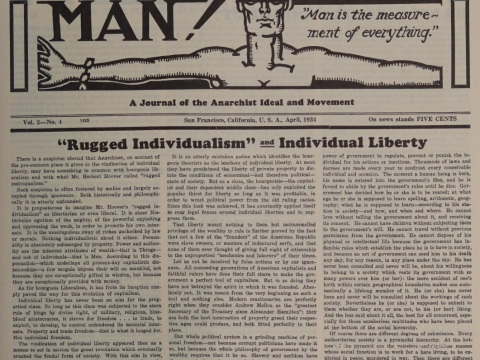
Man!: a journal of the anarchist ideal and movement Vol. 02 No. 04 (April 1934) The Vol. 02 No. 04 (April 1934) issue of Man!, an insurrectionary anarchist influenced newspaper.
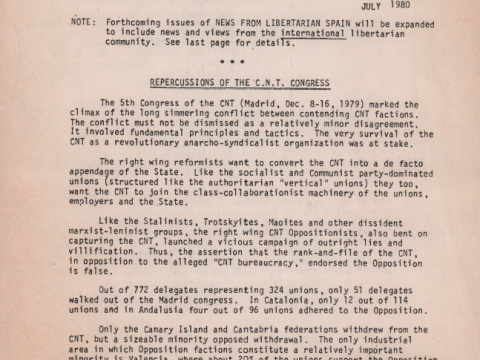
News from libertarian Spain (Vol. 04 No. 02 July 1980) The July 1980 issue of News from libertarian Spain.
Communism and woman - Marthe Bigot Feminist, long-time Socialist, Zimmerwald Conference attendee, founder of the French Communist Party, and early (later readmitted) Left…
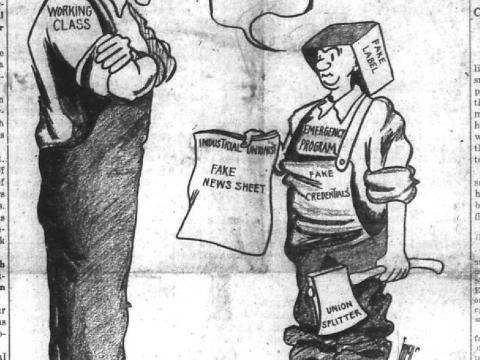
Industrial suicide: understanding the 1924 split of the Industrial Workers of the World - Cameron Molyneux A paper by Cameron Molyneux that blames infighting over Communism, organizational…
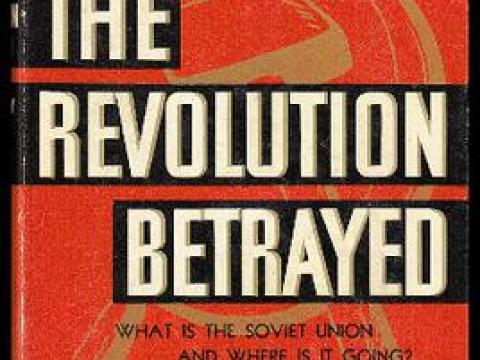
Book reviews: the 'hero' of Kronstadt writes history - Paul Mattick A critical review by Paul Mattick of Leon Trotsky’s book The Revolution Betrayed. Originally…
Chicago Replies To Moscow! Exchange from the Industrial Worker newspaper with a Soviet official from 1945.
Spain Betrayed: The Soviet Union in the Spanish Civil War - Ronald Radosh, Mary Habeck, & G. N. Sevostianov An important study examining previously unavailable Soviet archival materials to…
Radek - Herman Gorter Article by Herman Gorter on Karl Radek in 'De Kommunistische Arbeider [Amsterdam], Jrg. 1, no. 9, March 1922' transcribed and translated by Stijn…
“If you want peace, prepare for war” (Russia, Ukraine, NATO, EU) An explanatory article on the background and geo-political rivalries leading to the present …
Nestor Makhno. The Last Years of Living Abroad - FISU After Nestor Makhno and others from the Makhnovist movement were forced into exile in 1921 they…
“Destroy the Makhno movement” - The Bolsheviks’ secret war against Nestor Makhno and his insurgents - Volodymyr Horak How the Bolshevik state intelligence services tried to destroy the Makhnovist…